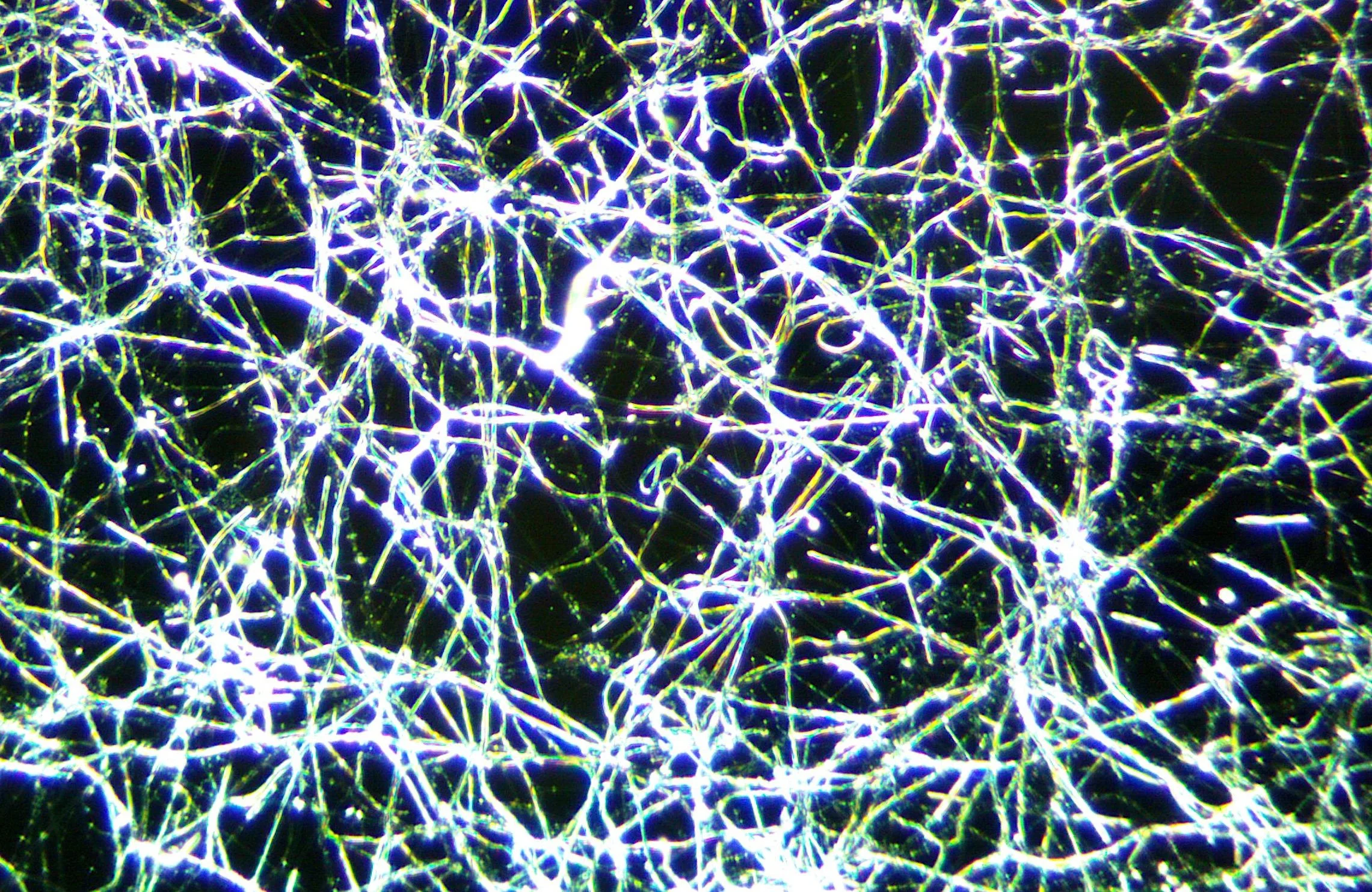
The Global Phenotype and the Shape of Mycelial Possibility
The global phenotype is the full range of physical and functional forms a strain can express across environment, nutrition, geometry, history, scale, and time. Any single result is only one location on that larger response surface, where broad regions may be robust and narrow ridges may be valuable but difficult to reproduce. Mapping this shape allows strains and processes to be chosen for stability, sensitivity, tunability, and useful combinations of traits.
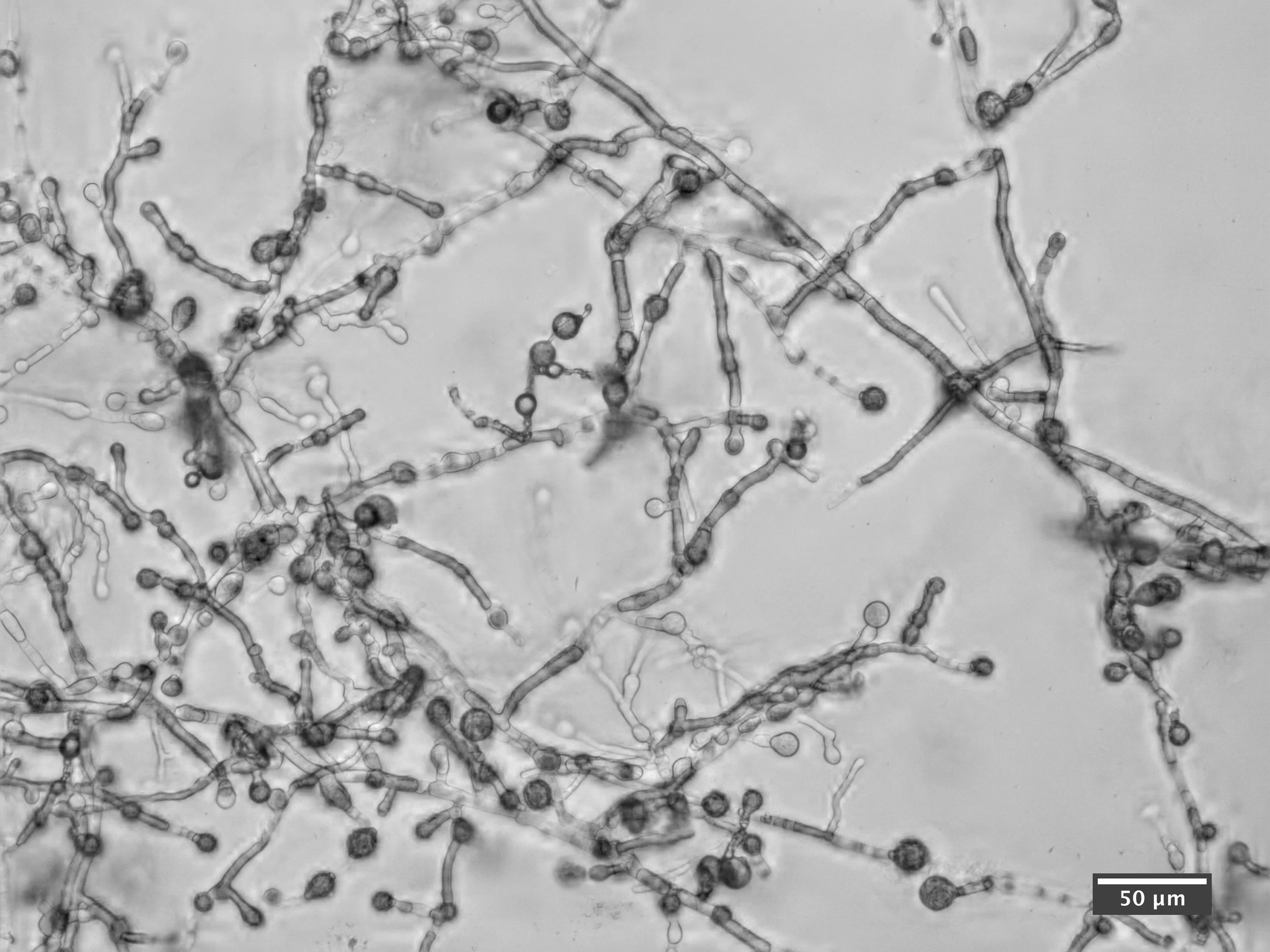
Myceliation as Behavioral Mode Collapse
Industrial myceliation creates an unusual ecological state by removing competitors, raising inoculum potential, and supplying accessible resources. These choices narrow the fungus’s normal mix of exploration, defense, and exploitation until rapid conversion and consolidation dominate. The result can be exceptional performance, but it also creates a small operating range in which modest process drift can produce equally strong but unwanted forms such as overlay, stroma, pellets, or surface skins.
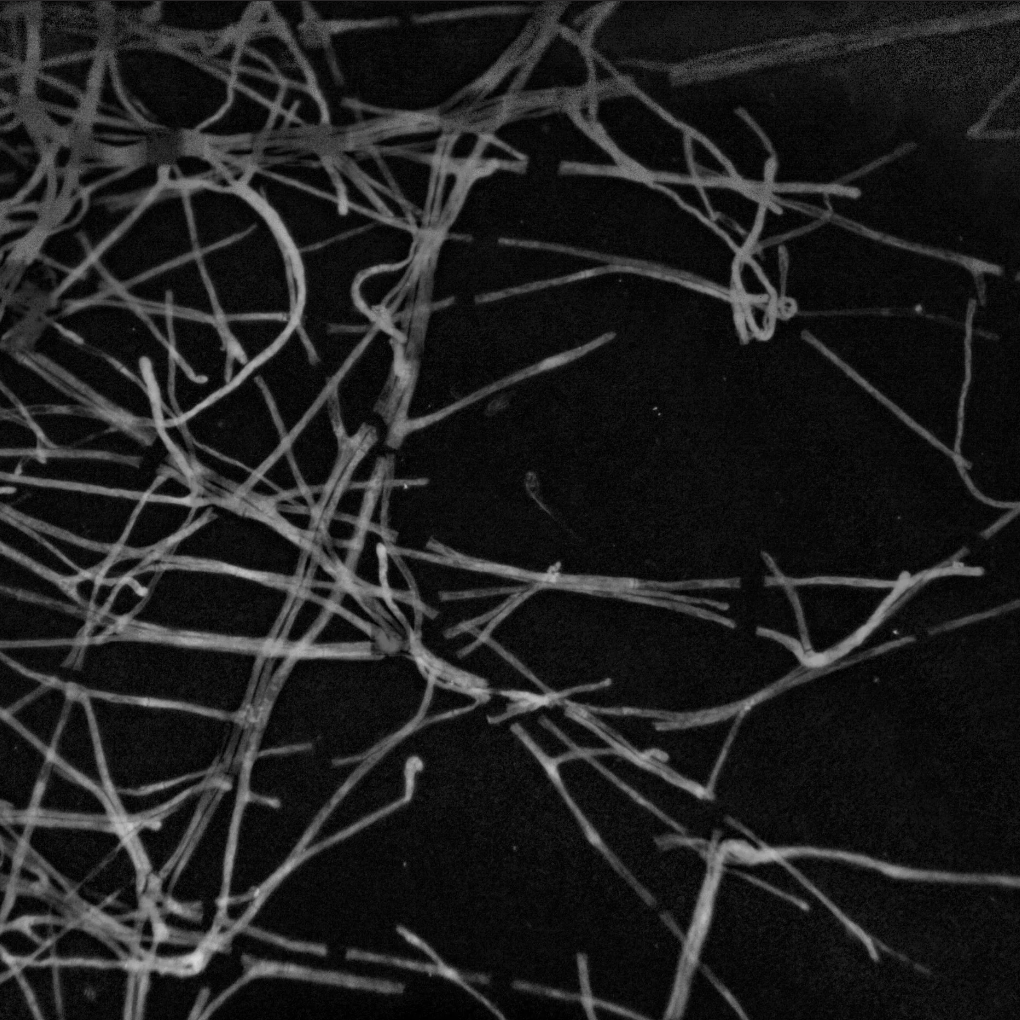
Failure Modes of Myceliation
Myceliation failures can first be organized into exclusion, where growth never establishes; attenuation, where growth is present but weak; and redirection, where the fungus grows into the wrong physical or functional state. The spatial and temporal pattern of these modes can reveal whether a problem is local, layered, progressive, tied to passage, or linked to a specific operating event. The recommended starting point is to describe and map the failure before assigning a cause.
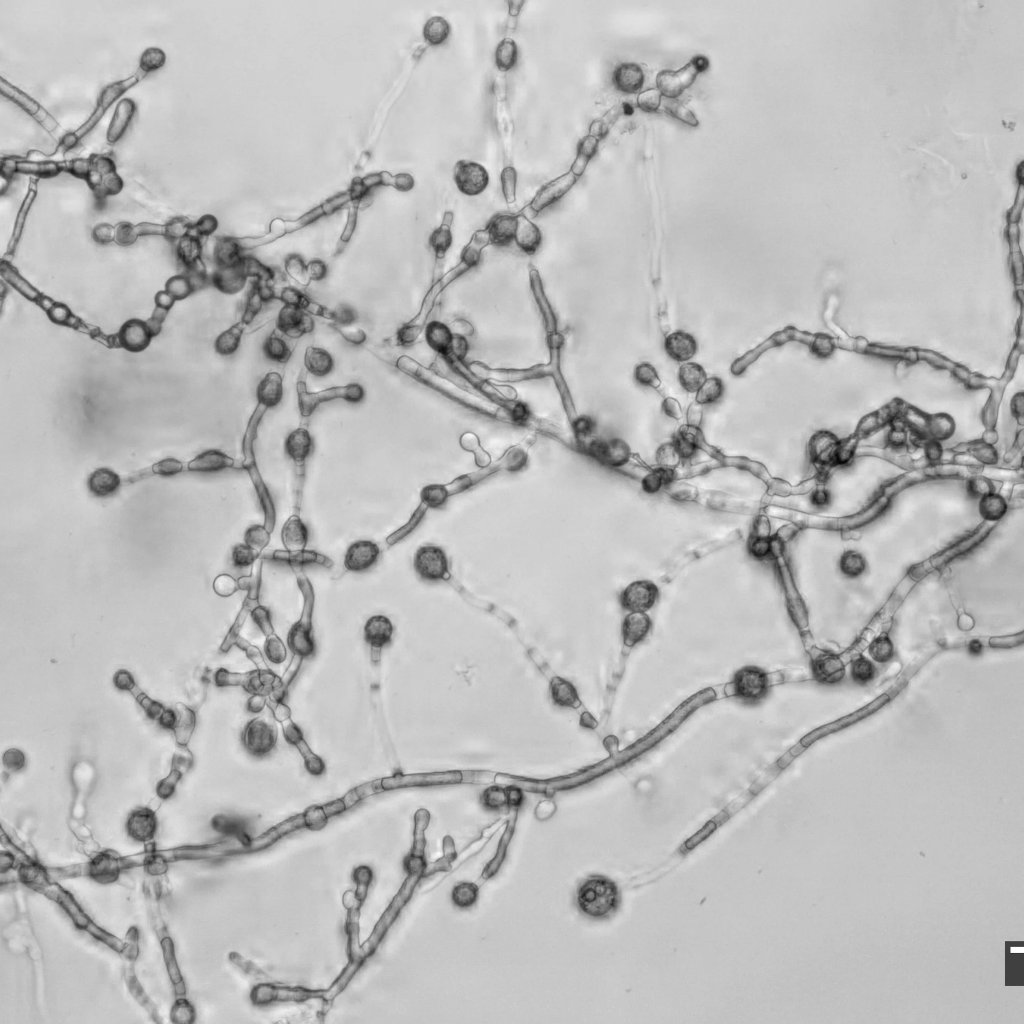
Stability as an Emergent Property in MycoManufacturing
Fungal form emerges from many local behaviors that build upon one another, and manufacturing stability develops in a similar way from decisions made across bench, scale-up, and production. Scale amplifies what is already present in the organization, including rigor, unresolved uncertainty, ego, shortcuts, or disciplined learning. Treating every scale step as a check on evidence and interpretation allows intuition to remain useful while stability grows from the combined quality of the whole practice.
Mycelium Native Practice
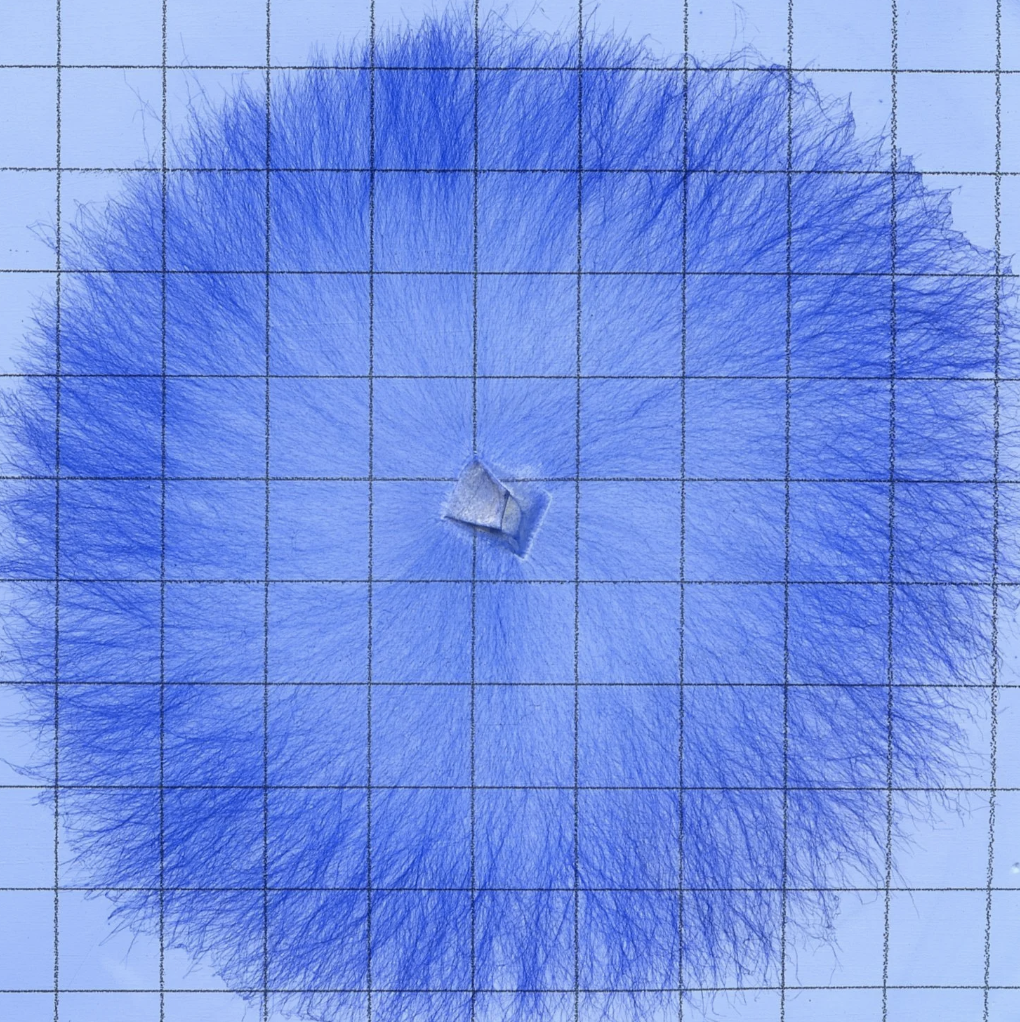
Mycelium-native practice begins when fungal logic starts to reshape how an organization learns, designs experiments, operates processes, makes decisions, and preserves knowledge. The essay distinguishes organizations that are merely mycelium-compatible, those that are mycelium-enabled, and those working toward a deeper alignment built on biological fluency, analytical discipline, design integration, and shared knowledge. This is an ongoing practice of improving the organization’s ability to read and work with the fungus, not a final state or fixed recipe.